
Caring for an aging or recovering loved one is one of the most meaningful things you can do — and one of the hardest. Recognizing the signs that professional support is needed is not giving up. It's giving more.
Is Your Loved One Showing These Signs?
Many families wait too long before reaching out for help. These signals may indicate it's time to consider professional home care support.
Missed Medications
Skipping doses, double dosing, or confusion about prescriptions is a serious safety concern.
Unexplained Weight Loss
Difficulty cooking, forgetting meals, or loss of appetite can signal the need for daily nutritional support.
Recent Falls or Injuries
Falls are the leading cause of injury in older adults. One fall often signals more to come without intervention.
Neglected Household Tasks
Piling mail, unpaid bills, dirty laundry, or an unkempt home may reflect declining daily function.
Social Withdrawal
Pulling away from friends, hobbies, and family may indicate depression, cognitive decline, or physical limitations.
Caregiver Burnout
If you or another family member is exhausted, stressed, or overwhelmed — that's a sign help is needed.
Post Hospital Care
Coming Home After a Hospital Stay
The first 30 days after discharge are the most critical — and the most overlooked — window in a patient's recovery.
Leaving the hospital is not the end of care — it's the beginning of a new phase that requires close attention, consistency, and skilled support. Research shows that nearly 1 in 5 Medicare patients are readmitted within 30 days of discharge, often due to preventable complications at home.
Whether your loved one is recovering from surgery, a cardiac event, a serious infection, or an extended illness, Greenstaff caregivers are trained to provide the structured, attentive support that makes recovery possible — at home.
Our Post-Hospitalization Care Includes
- ✓Medication management and reminders to ensure prescriptions are followed correctly
- ✓Wound care monitoring and helping coordinate follow-up appointments
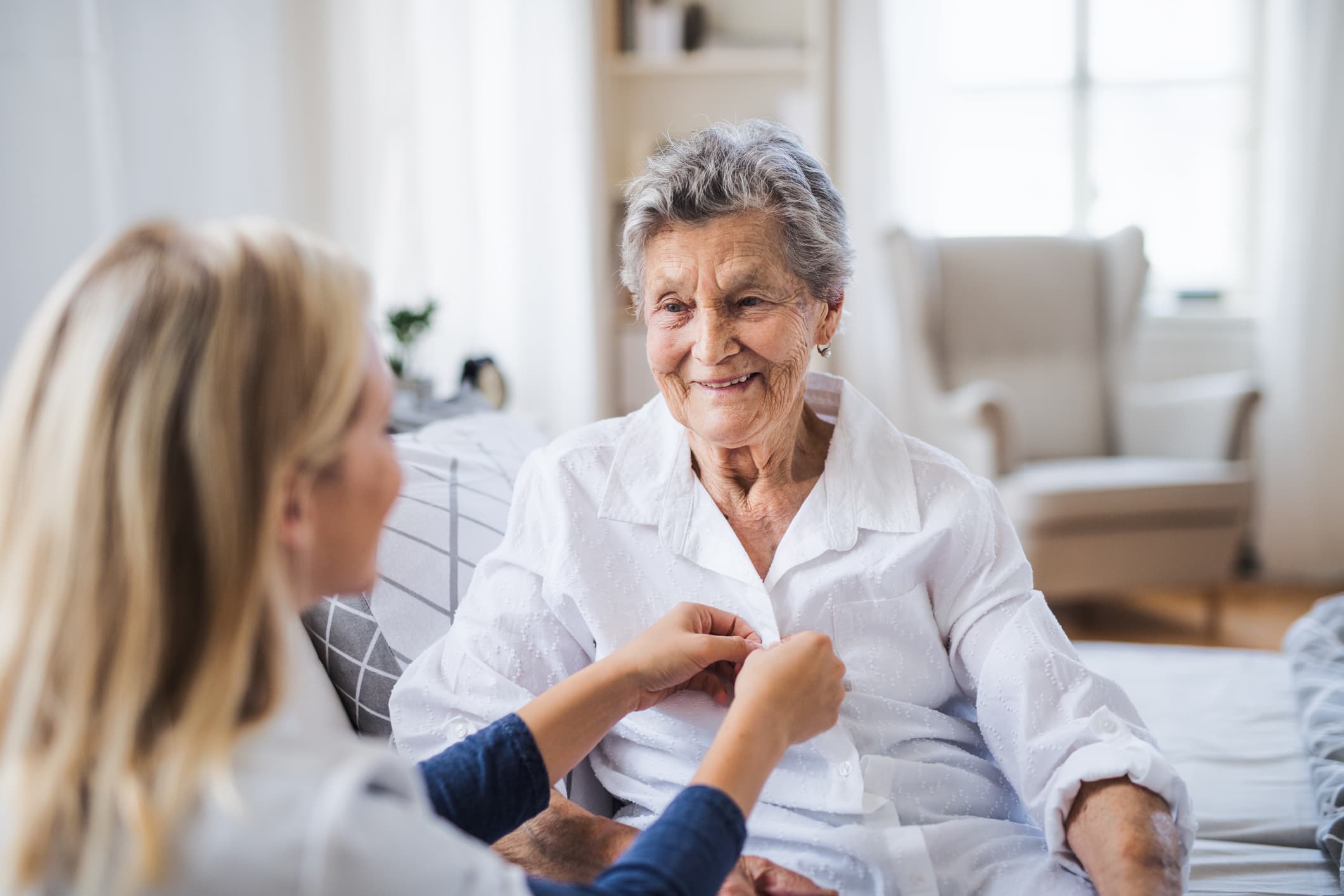
- ✓Assistance with bathing, dressing, and mobility during recovery
- ✓Nutritious meal preparation tailored to dietary restrictions
- ✓Light housekeeping so the home remains safe and manageable
- ✓Companionship and watchful oversight during vulnerable recovery periods
- ✓Communication with family members and healthcare providers as needed
Alzheimer's & Dementia Care
Compassionate support through every stage
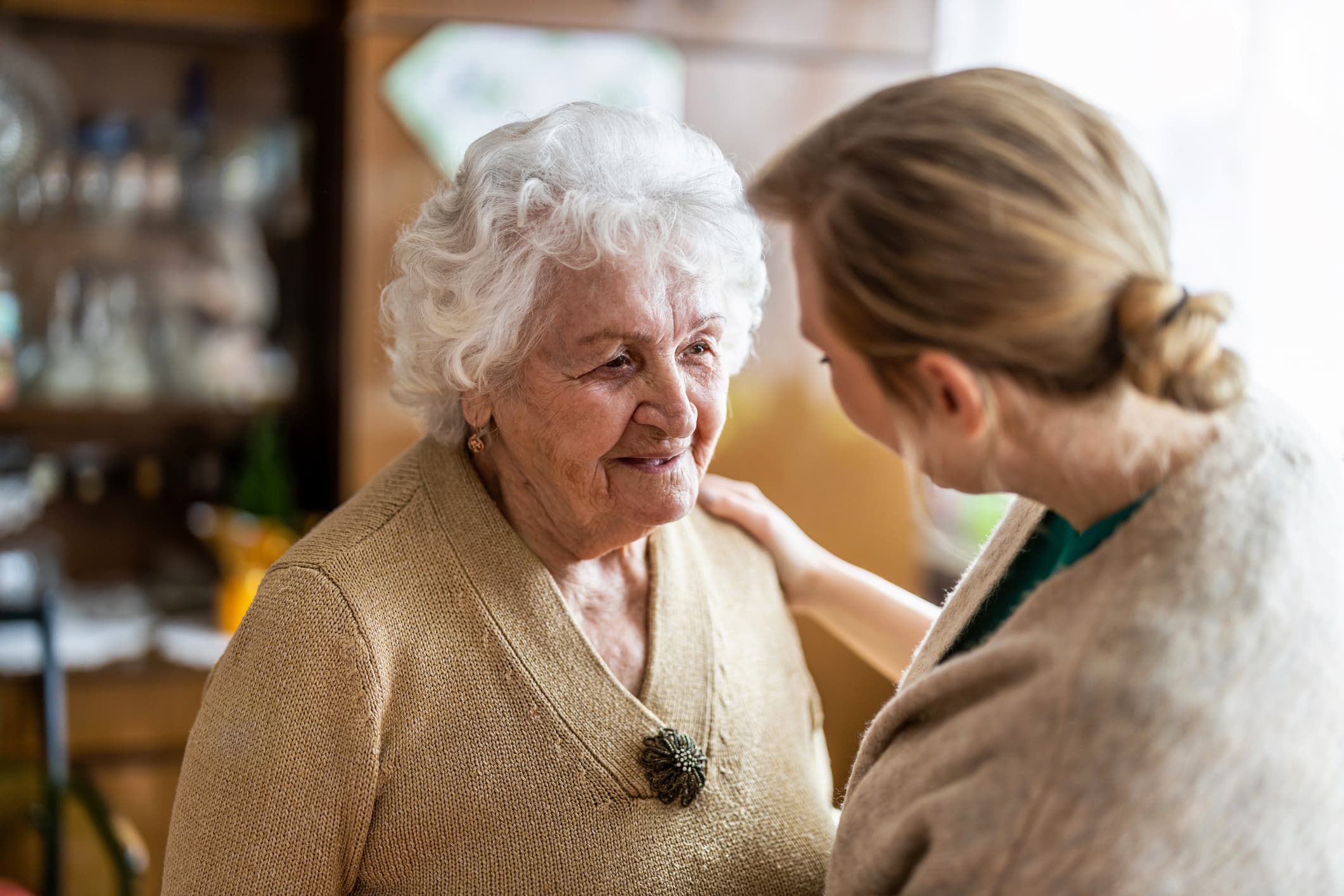
Memory loss changes a person — but it doesn't diminish their need for dignity, connection, and belonging. Alzheimer's disease and related dementias affect more than 6 million Americans, and the toll on families is immeasurable.
Signs It's Time To Seek Memory Care Support
- •Getting lost in familiar places or wandering from home
- •Increasing confusion about time, people, or surroundings
- •Personality changes, agitation, or emotional outbursts that are new or worsening
- •Inability to manage daily tasks like eating, dressing, or bathing independently
- •Safety concerns such as leaving the stove on, forgetting to lock doors, or financial vulnerability
How Greenstaff Supports Memory Care
- ✓Structured daily routines that reduce anxiety and confusion
- ✓Patient, trained caregivers experienced in dementia-specific communication
- ✓Meaningful engagement through music, reminiscence, and familiar activities
- ✓Safe accompaniment for walks, errands, and appointments
- ✓Respite care to give family caregivers a necessary break
- ✓Continuous monitoring for wandering risks and safety hazards
Stroke Recovery Care
Rebuilding Independence after a stroke
Recovery from stroke is not linear — but with the right support at home, it is possible to reclaim meaningful function and quality of life. Stroke is a leading cause of long-term disability in the United States, and recovery varies widely depending on the severity and area of the brain affected.
Whether your loved one is recovering from surgery, a cardiac event, a serious infection, or an extended illness, Greenstaff caregivers are trained to provide the structured, attentive support that makes recovery possible — at home.
Common Needs After A Stroke
- •Mobility assistance — helping with walking, transfers, and fall prevention
- •Personal care support for bathing, grooming, and dressing due to weakness or paralysis
- •Help with communication for those experiencing aphasia or speech difficulties
- •Coordination with physical, occupational, and speech therapists
- •Monitoring for signs of a secondary stroke or complications
- •Emotional support for survivors adjusting to a changed sense of self
Greenstaff Stroke Recovery Services
- ✓Compassionate personal care that protects dignity and encourages independence
- ✓Assistance with prescribed home exercise and therapy routines
- ✓Meal preparation for those with swallowing difficulties or dietary guidelines
- ✓Safe home modification awareness — flagging hazards to families or therapists
- ✓24-hour or part-time care options to match the level of need

Ready To Talk About Care Options?
Our care coordinators are available to answer your questions, walk you through your options, and help you build a plan that fits your family's needs — with no obligation.